
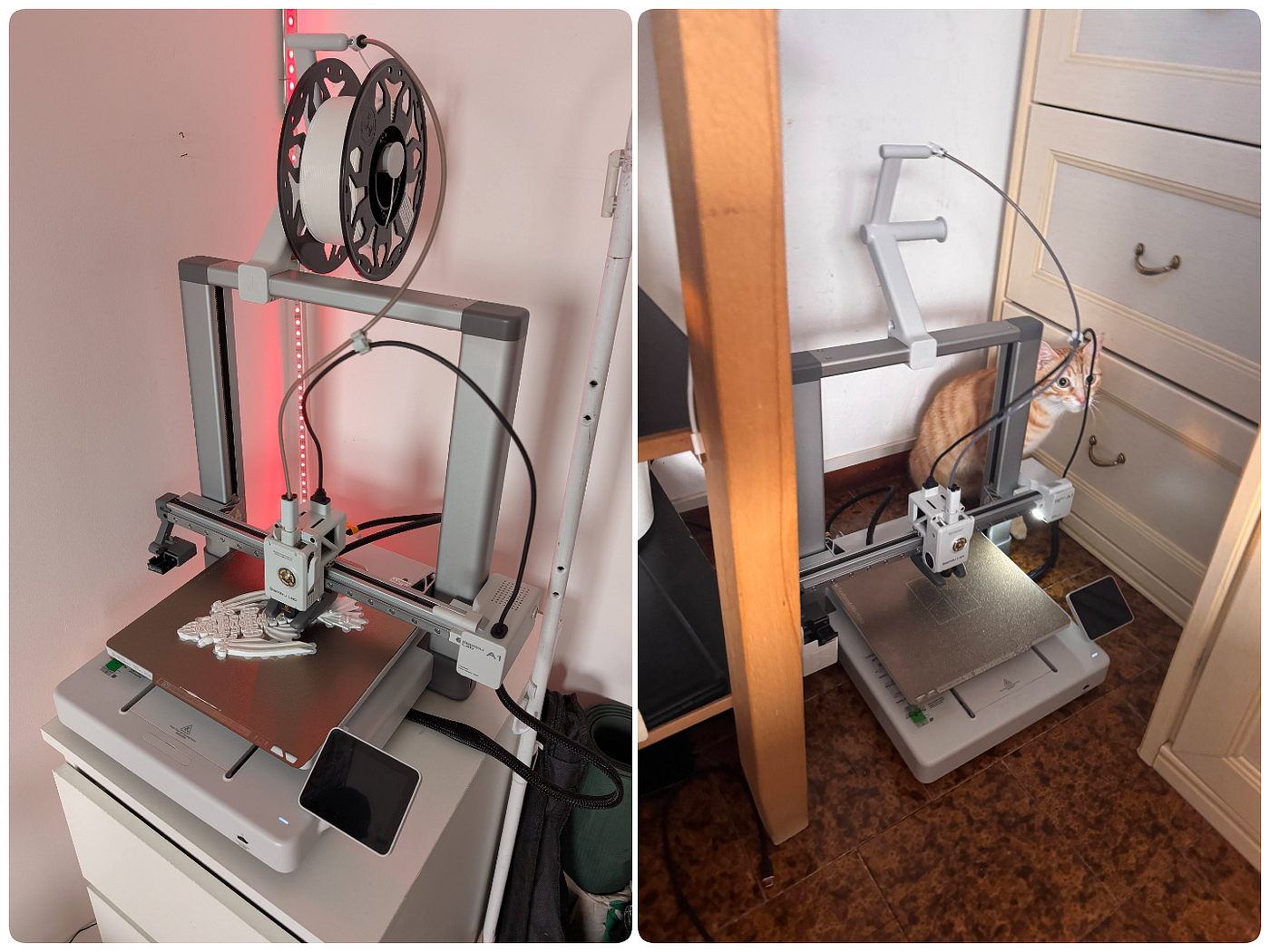
A month ago, a big box from Bambu Lab landed on my doorstep. Inside was the A1, a 3D printer I'd been eyeing for ages. I wasn't just buying a new gadget; I was unlocking a door to a world where if you can think it, you can hold it. My goal was simple: move beyond printing little trinkets and see if I could make this machine a truly functional part of my home. Spoiler alert: It's been a game-changer.
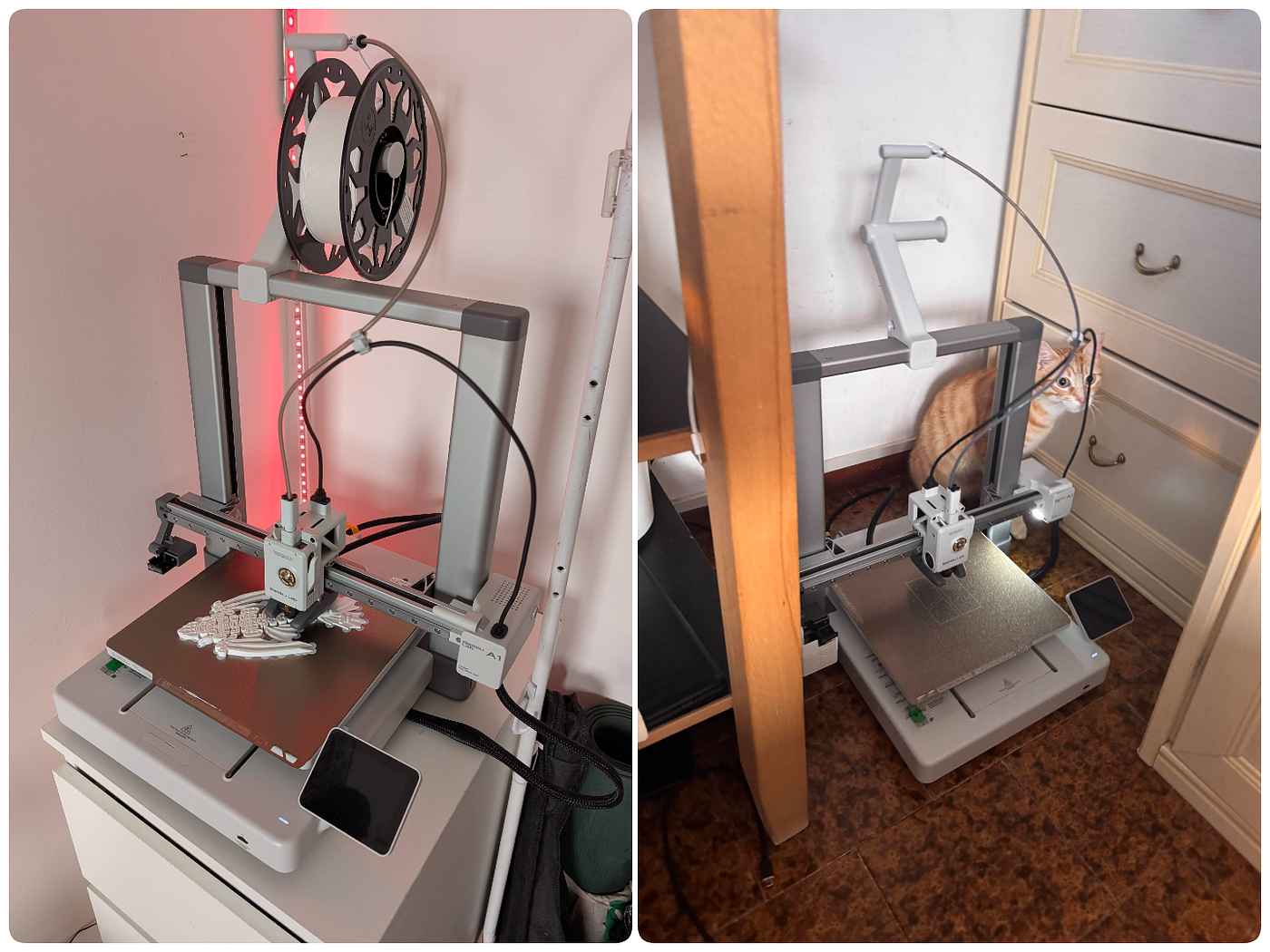
The First Steps: From Digital to Physical. Every journey starts somewhere. Mine started with a mix of excitement and the classic fear of the "first print failure." Thankfully, the Bambu A1 made the takeoff smooth. Here are some of the early prints:
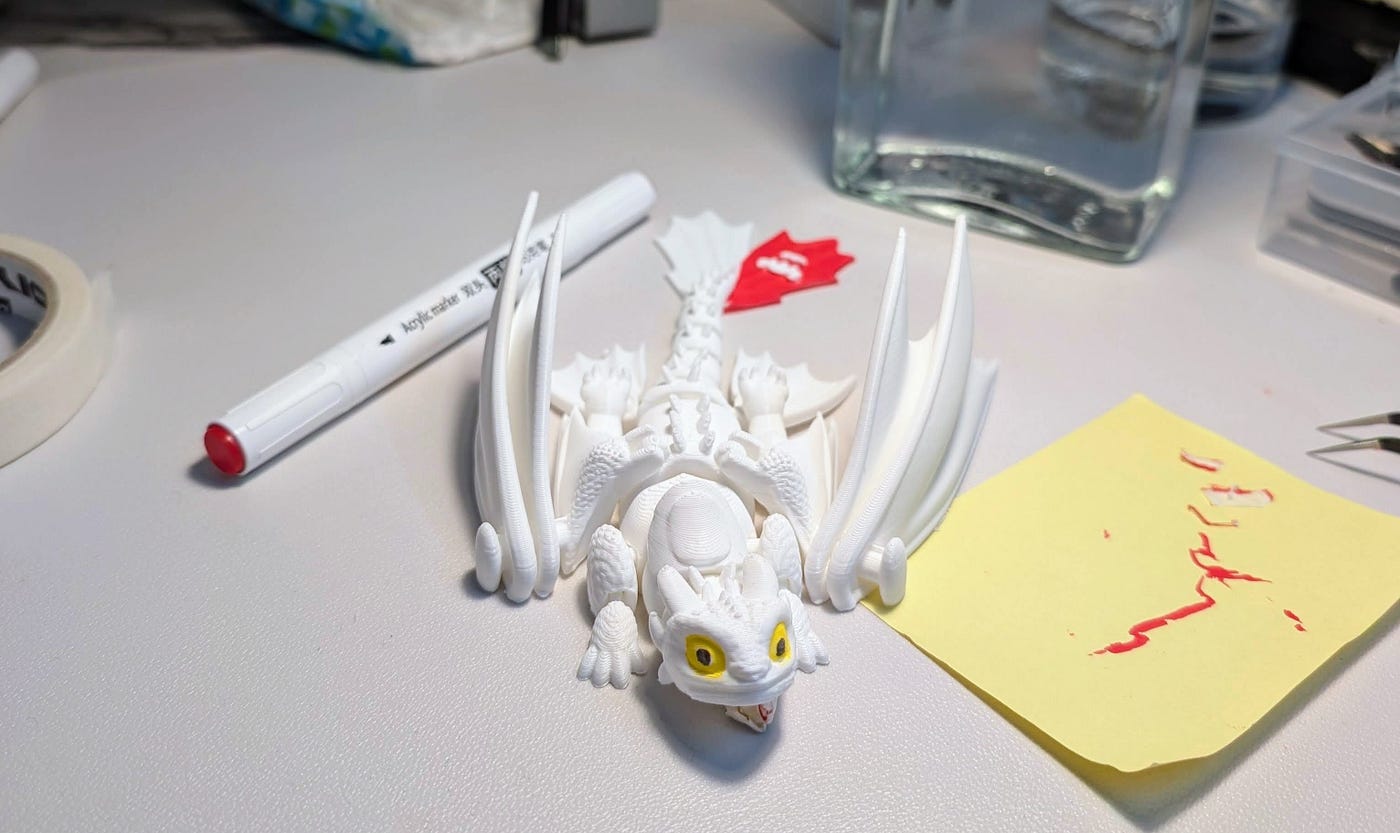
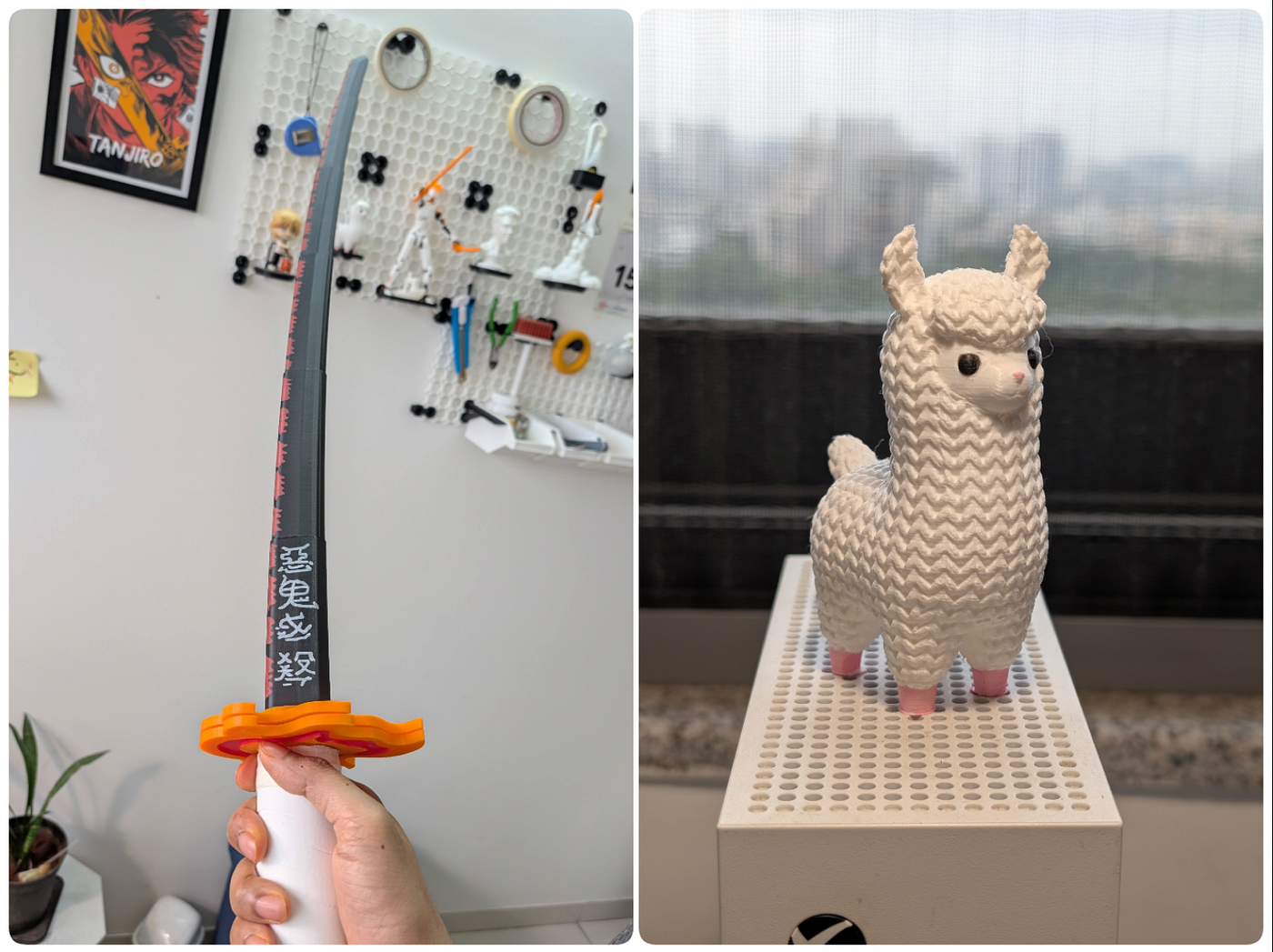
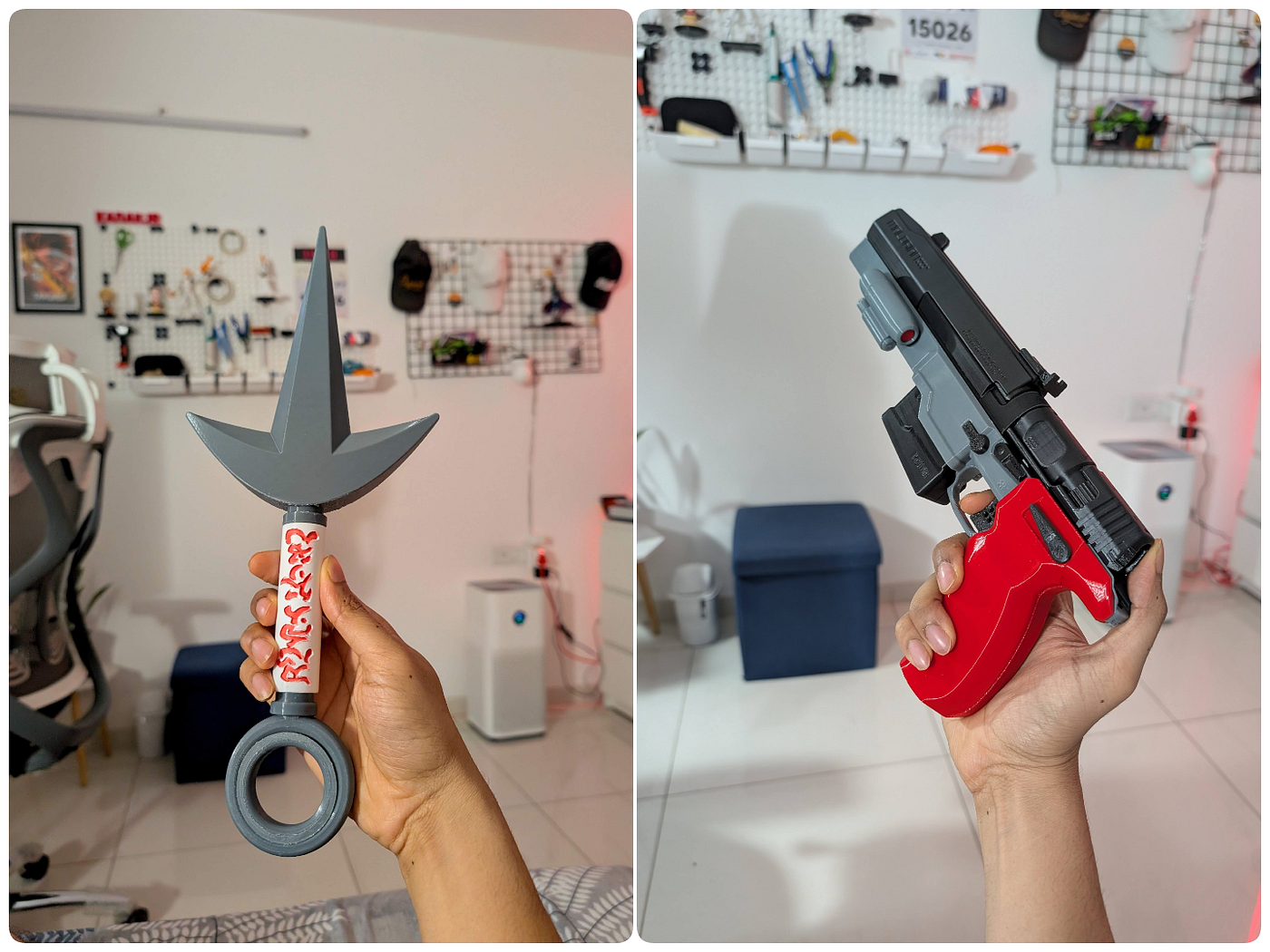
There's a unique magic to watching a spool of plastic filament transform into a complex object you were just admiring on a screen. But the novelty soon evolved into a question: "What problems can I solve with this?"
Finding Purpose: Practical Prints for Everyday Life
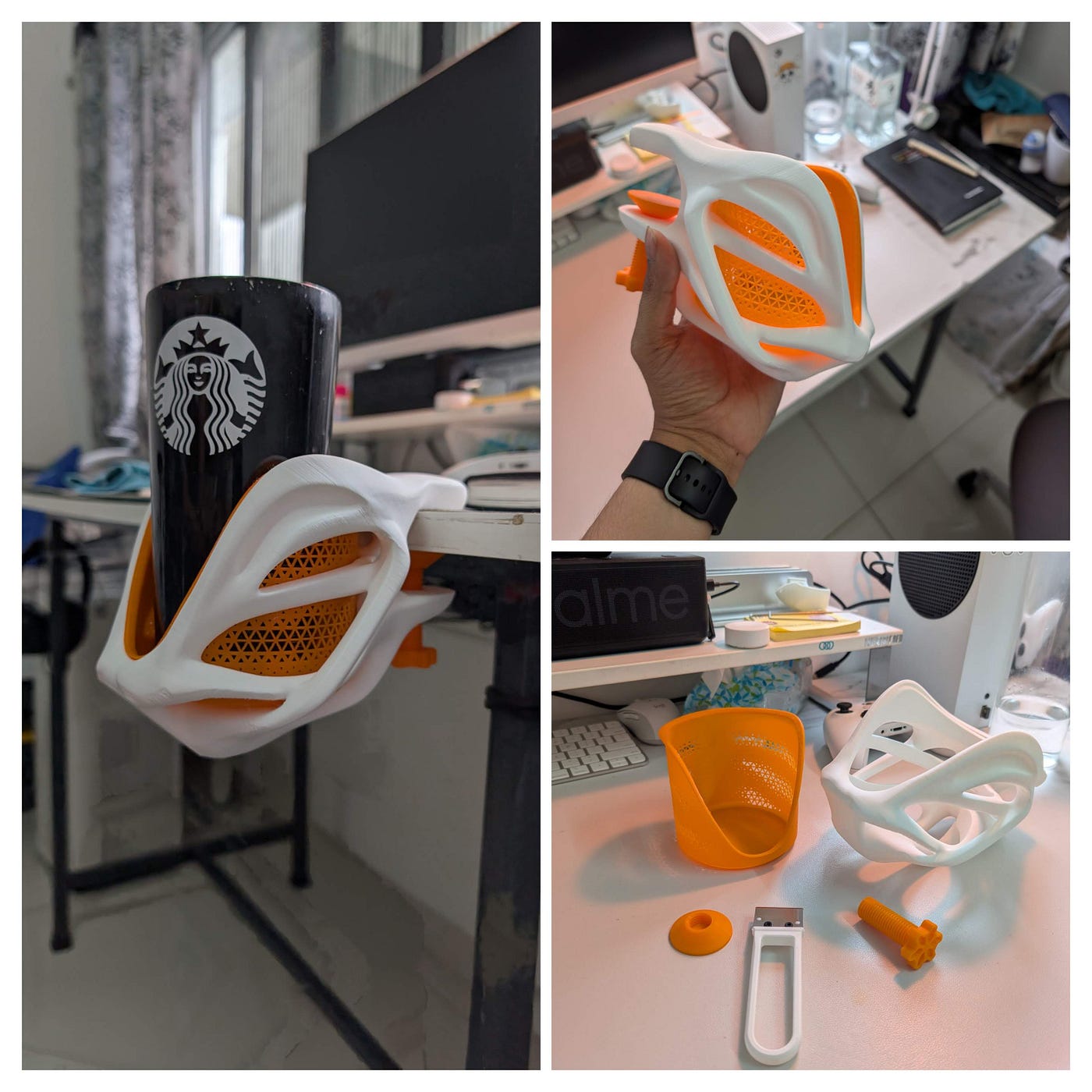
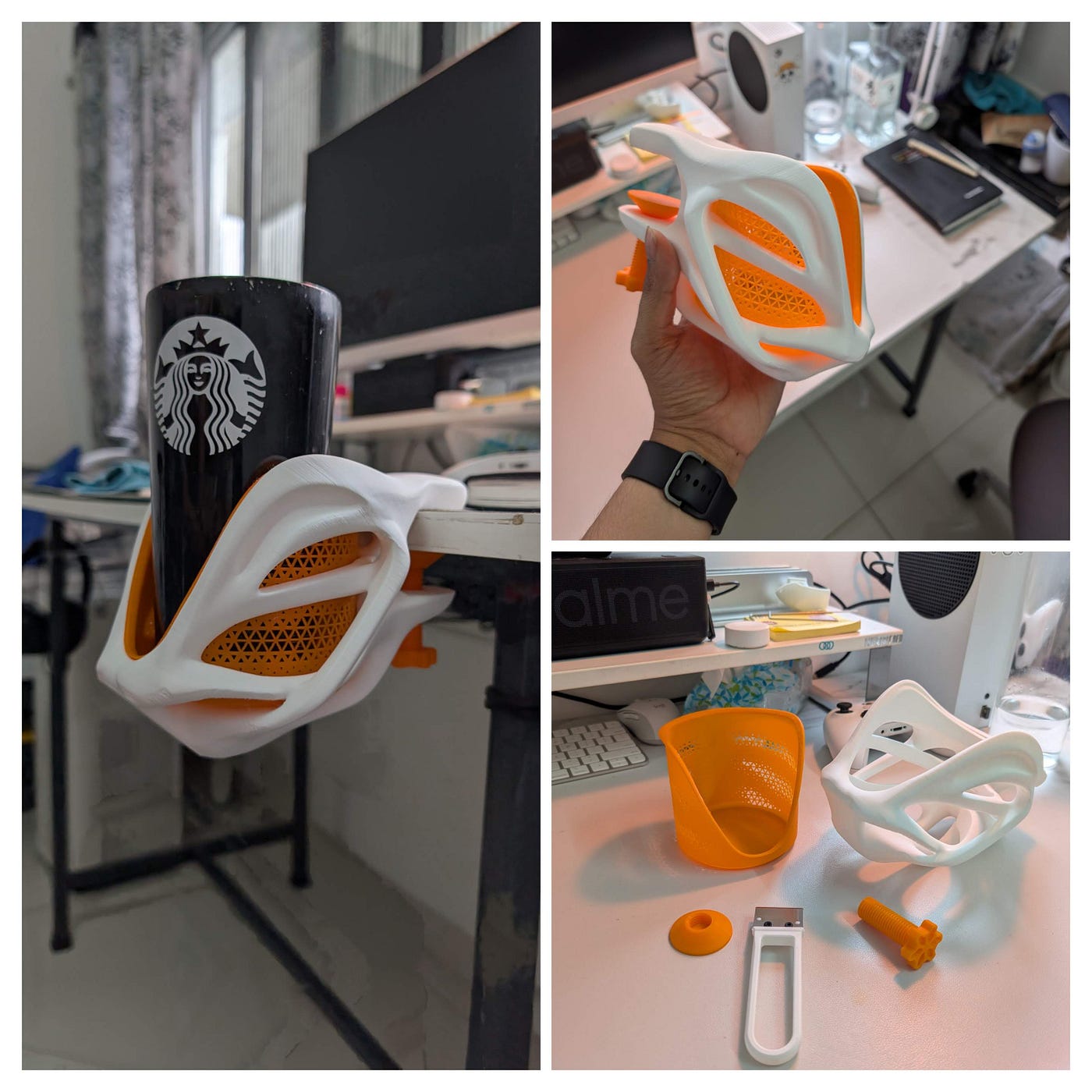
The first real test was a wobbly coffee mug on my crowded desk. A quick search online, a few clicks, and several hours later, I had a custom-printed, clamp-on cup holder. It was perfect. Sturdy, stylish, and exactly what I needed. This wasn't just a print; it was a solution.
That small victory opened the floodgates. Soon, I was assembling a fully articulated action figure, a multi-part project that required patience, precision, and a bit of post-print cleanup. Seeing it strike a pose for the first time was incredibly rewarding.
My biggest undertaking, however, was tackling the clutter in my workspace. I decided to print a "Multiboard," a modular pegboard system where every hook, holder, and bin is 3D printed.
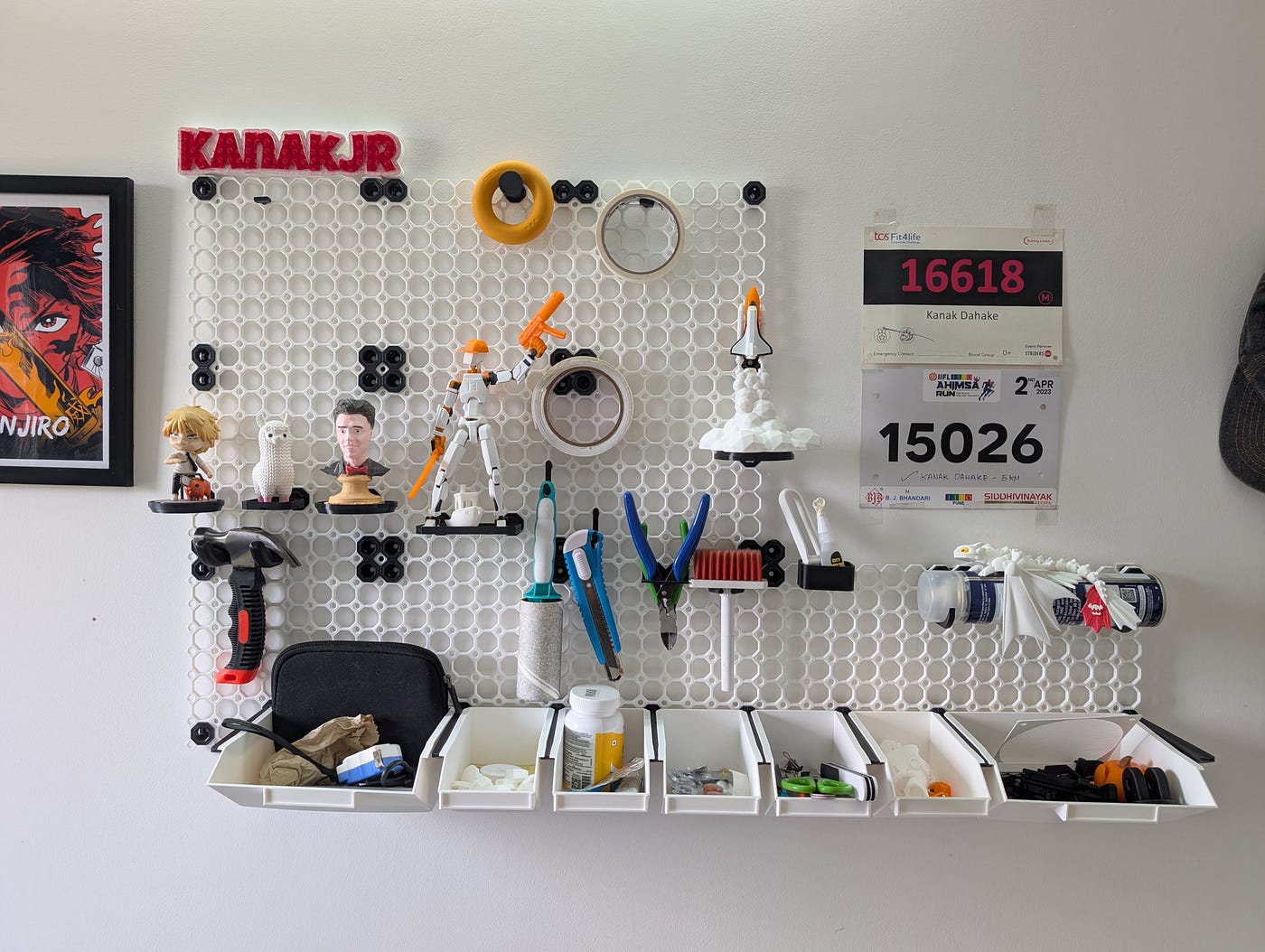
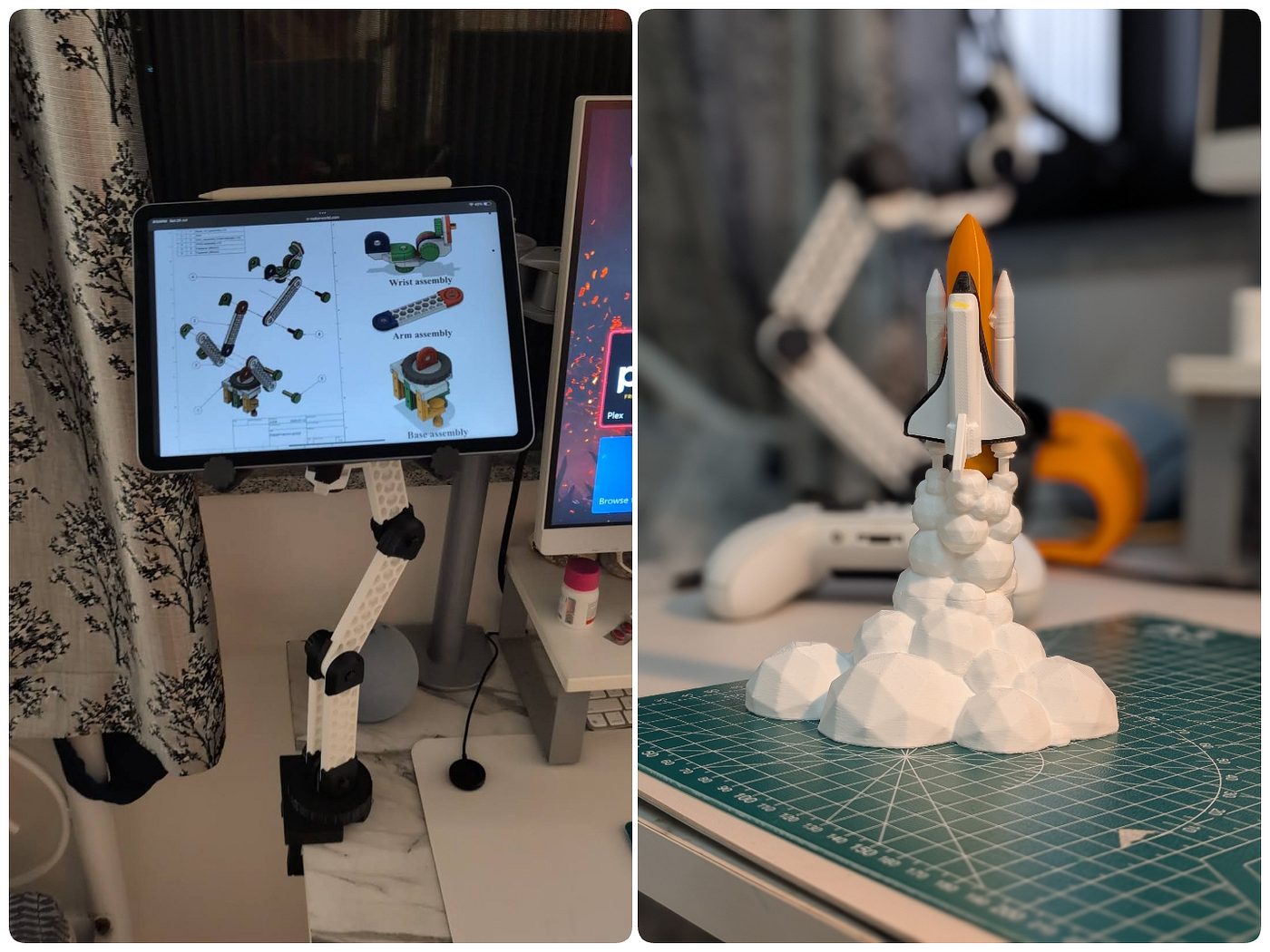
Now, my wall is a testament to the printer's power. There's a custom holder for every tool, a shelf for my favorite prints (like the space shuttle model I made), and storage bins for all the odds and ends. It's a perfectly organized space, built by the very hobby it's designed to support.
The Smart Connection: Integrating with Home Assistant
Being a tech enthusiast, just printing wasn't enough. I wanted my printer to be a citizen of my smart home. By integrating the Bambu A1 with my Home Assistant dashboard, I unlocked a new level of control and convenience.
Now, from any device, I can:
- Get notifications: Know the second a print is finished and ready for its next step.
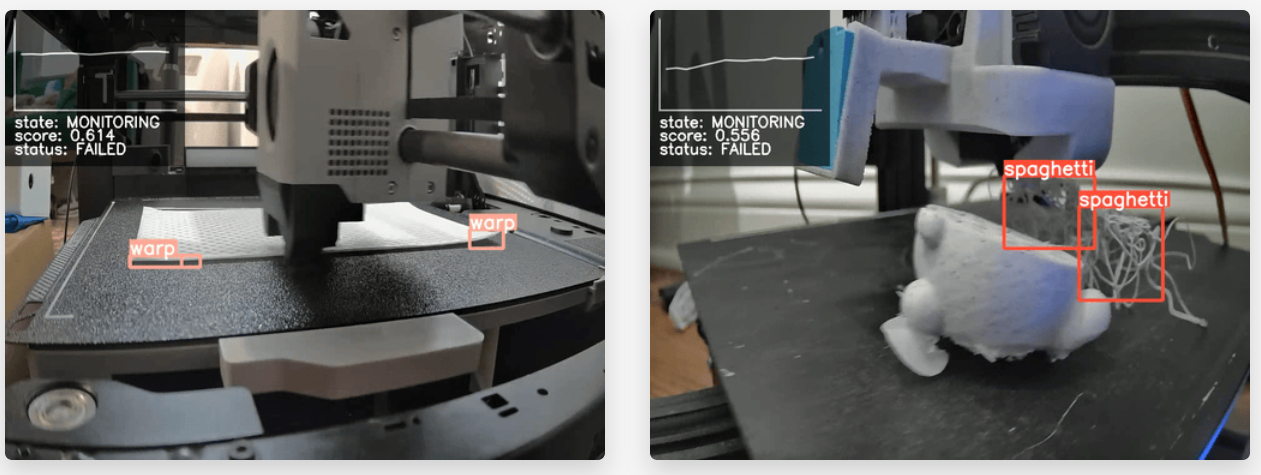
- Watch the live camera feed: Check in on long prints without having to be in the same room, ensuring no "spaghetti" failures are in progress.
- Monitor live progress: See the print percentage, estimated time remaining, and temperatures at a glance.
It's a seamless integration that makes the entire process feel futuristic. My printer isn't just a tool on a desk; it's a connected device, sharing its status alongside my lights, sensors, and speakers.
The Future is Automated: Where AI Takes Over
This is where the journey gets truly exciting. The combination of 3D printing and a powerful platform like Home Assistant opens up incredible possibilities, especially with AI.
Here's what I'm dreaming of for the next phase:
-
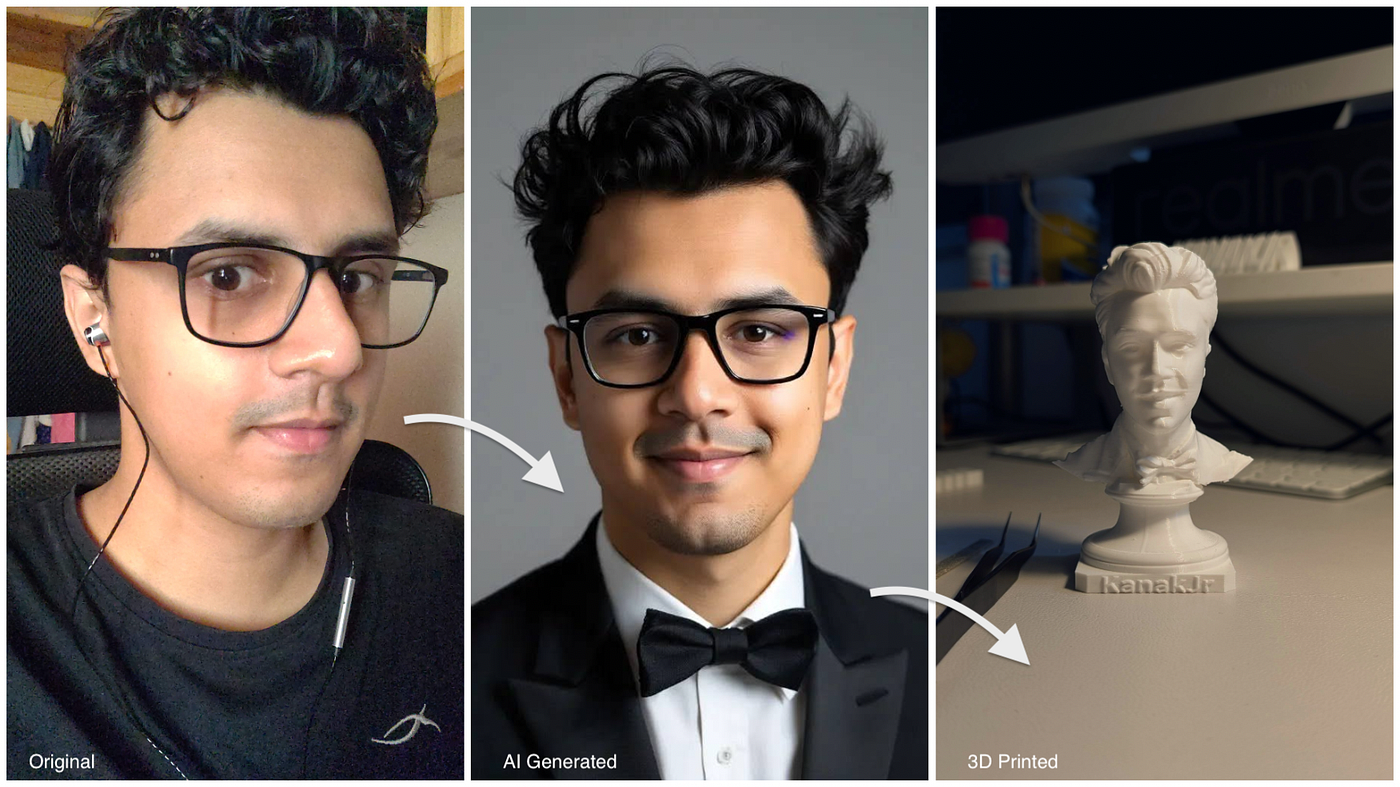
Generative AI for Instant Creation: This is the final frontier. Instead of spending hours in complex CAD software or searching for the perfect model online, we could simply describe what we need. Imagine typing, "a phone stand in the style of a spaceship, with a holder for my charging cable," and having an AI generate a unique, print-ready 3D model in seconds. Similarly, taking a 2D picture of a broken plastic clip and having AI convert it into a functional 3D object would completely change how we solve problems and bring ideas to life.
-
Automated Filament Tracking: By logging the filament used for each print, Home Assistant could maintain a real-time inventory of my supplies. When a spool runs low, it could automatically add it to my shopping list or even find the best price online.
-
Intelligent Automation Workflows: The smart home could react to the printer's status. When a print finishes, Home Assistant could automatically trigger a sequence: the lights in my workshop turn bright white for better inspection, I get a notification on my phone, and a smart speaker announces, "Your Katana Sword is complete!"
-
AI-Powered Failure Detection: Imagine an AI model watching the printer's camera feed. It wouldn't just stream video; it would understand it. If a print detaches from the bed or starts turning into a plastic mess, the AI could instantly alert Home Assistant to pause the print and send me a photo of the problem. This would save countless hours and meters of wasted filament.
What started as a hobby is quickly becoming an integrated ecosystem of creation and automation. My 3D printer isn't just making objects; it's making my home smarter, more organized, and infinitely more personalised. And I have a feeling I've only just scratched the surface.